
Dental Crowns – Upper Arlington, OH
Protecting & Improving Your Pearly Whites
Although your pearly whites are designed to last a lifetime, this isn’t always the case for every person. For many of us, our natural teeth can begin to wear down or become damaged over time. The good news, however, is that you don’t have to live with a compromised smile. Our team at Glamm Dentistry is proud to offer lifelike dental crowns to restore, improve, and protect your teeth! To learn more about this incredible restorative treatment, be sure to give us a call to schedule your initial consultation.
Why Choose Glamm Dentistry for Dental Crowns?
- Uses Multiple Reliable & Durable Dental Materials
- Highly-Experienced, Dedicated, & Caring Dentist
- Accepts Insurance & Offers Financing
What Is a Dental Crown?
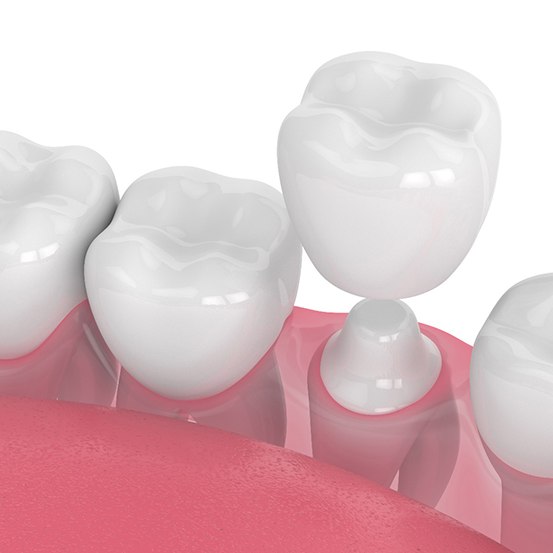
These restorations are custom-designed dental caps that are meant to be cemented over the surface of your teeth above your gum line. This popular and effective treatment is incredibly versatile, as it can help restore your smile, improve the appearance of your affected teeth, and protect them from future damage and infection. The material is also durable and long-lasting, constructed from zirconia, EMAX, porcelain, or gold.
During your initial consultation, our team might recommend a dental crown if you:
- Have a large area of decay
- Have a weakened tooth at risk of breaking
- Have chips, cracks, or breakage
- Have dark discoloration or stains
- Need treatments like a root canal or dental implant
The Dental Crown Process
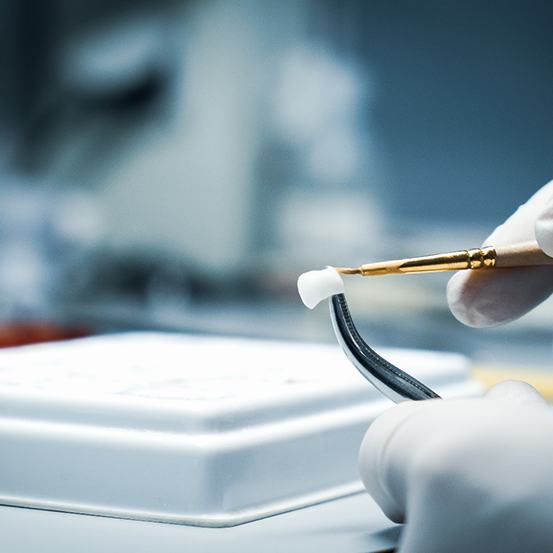
A dental crown can take several appointments to complete. Firstly, you’ll undergo an initial consultation with our team, which involves an oral examination to see if you’re eligible for this restorative treatment. If you are, then we can begin preparing your natural tooth by removing a tiny amount of enamel to make room for the dental cap. We’ll take impressions of your smile and send them to a dental lab for fabrication. You’ll have to wear a temporary crown while you wait.
After the lab finishes constructing your crown, you’ll come back to our office to have it placed. Our team will confirm that the restoration is satisfactory and matches the rest of your smile. Once we’ve finished making any minor adjustments and polishing your teeth, you’ll be free to show off your beautiful results for many years to come.
The Benefits of Getting a Dental Crown

Dental crowns are made of one of many durable materials, meaning you can be sure to enjoy a variety of advantages, including:
- Maintain a strong, healthy, and functional tooth
- Preserve a weakened, decayed, or damaged tooth
- Improved chewing ability
- Results can last 10+ years with proper care
- Lifelike restoration (if you get EMAX, zirconia, or porcelain crowns)
Understanding the Cost of Dental Crowns
One of the things that makes dental crowns so popular as a treatment is the fact that they can be tailored specifically to your needs. While this versatility is wonderful, it also means that it can be a little bit difficult to estimate what your dental crown is going to cost you without taking the time to meet you first.
That said, if you’re trying to budget for the treatment, there are some things you can keep in mind. Here are some examples.
Factors that Affect the Cost of Dental Crowns
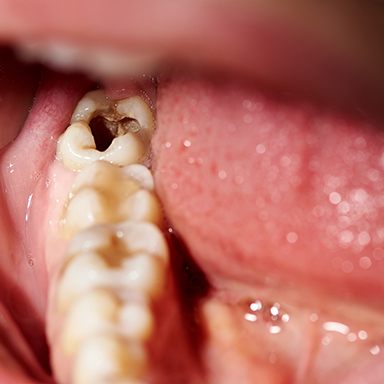
While it’s not really possible to say what your dental crown is going to cost without understanding the particulars of your situation, you can get some sense by thinking about the various factors that can affect the restoration’s final price.
For one, you should consider whether there are any procedures that you need before your dental crown, like a root canal. These will obviously have a lot to do with what your entire treatment is going to cost. Then there’s the material used to construct the dental crown; we offer a variety of ceramics and metals, each of which comes with its own price point. Picking the correct material for you comes down to a balance between cost and your needs, and we’ll be able to help you make that decision once we know more about you.
Does Dental Insurance Cover Dental Crowns?

Dental crowns are a major restorative treatment used to address a variety of health issues, which means that insurance companies are usually willing to pay for at least a portion of the treatment, provided that they’re being done for verifiable health reasons. Depending on the details of your plan, you can usually expect around 50% of the treatment to be covered.
Other Options for Making Dental Crowns Affordable
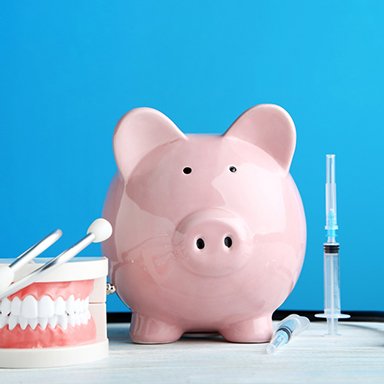
If you don’t have insurance, you’ll be happy to learn that there are a variety of options available to you in order to make the care you receive from us affordable. You may be interested in pursuing financing services, which can allow you to split the cost of the services you receive from us across several monthly payments. We often work with CareCredit, which has a variety of low-to-no interest financing terms that can make paying for your dental care much more manageable.
If you want to learn more about this or any other financial options available to you, give us a call and we’ll discuss all of the things we can do to make your care more affordable.
Dental Crown FAQs
Are Dental Crowns Permanent?
Dental crowns don’t necessarily last forever, but you can keep them around for quite a while if you take care of them well. Typically, you can expect your restoration to last anywhere from five to fifteen years. In addition to maintenance, factors like the restorations’ position in the mouth and the material that it’s made out of also have a lot to do with how long they last.
It’s worth noting that the enamel that’s removed for your dental crown isn’t going to grow back, which means that if your crown is damaged or falls off, it will need to be replaced.
What Are Dental Crowns Made Of?
Dental crowns can be made of several materials, and which one you choose has to do with what it is you need and what fits with your budget.
At Glamm Dentistry, we offer crowns made of four kinds of materials. For one, we offer several different kinds of ceramics—Zirconia, Porcelain, and EMAX. Each of these is subtly different in price and durability, but they’re all tooth-colored, meaning that they’re well suited to the front of the mouth.
We also offer metal crowns, specifically those made of gold. It’s usually the most expensive kind of dental crown, but it’s also by far the most durable. It’s well-suited to the back teeth, or other places in the mouth that aren’t easily seen.
Does It Hurt to Get a Dental Crown?
Before removing any enamel from your tooth, we’ll be sure to numb your mouth completely so that you can be comfortable for the procedure. Moreover, we’d be happy to administer anesthetic when replacing your temporary crown with your permanent restoration. For these reasons, you can rest assured that you won’t feel anything while being prepared for the crown.
You may feel a little bit sensitive for a few days after getting your dental crown, especially if it was preceded by a root canal. However, this discomfort should be mild and easily managed with over-the-counter pain relievers.
Do Dental Crowns Feel Natural?
We work hard to make sure that your dental crown fits your tooth exceedingly well. As a result, it should feel completely flush with the rest of your teeth and will feel completely natural once it’s settled in place.
At first, it may feel a little bit weird having a tooth where it wasn’t before, but after a few days, you’re unlikely to even notice anything strange. Neither you nor the people you meet should be able to tell that you have a dental crown just by looking.
How Long Do Dental Crowns Last?
Dental crowns usually last between five and fifteen years depending on the material they are made from, where they are located in the mouth, and how well they are cared for. Metal crowns may last slightly longer than metal-free ones, but the difference is often negligible, and crowns placed on the molars may not last as long as those placed in the front of the mouth since they endure more pressure during the chewing process. The most important factor in the lifespan of a dental crown is how well the patient takes care of it by practicing excellent oral hygiene, making smart eating decisions, avoiding bad dental habits, and keeping up with regular checkups at Glamm Dentistry.
How Do You Know When a Dental Crown Needs to Be Replaced?
Only a skilled dental professional such as Dr. Jayme Glamm can authoritatively say if a dental crown needs to be replaced, but there are a few noticeable signs that can say you probably need a new device. These include:
- Pain: Discomfort in the crowned tooth may indicate an infection that requires restorative treatment. The crown may have to be removed and replaced during the process.
- Instability: If your crown is moving about on its tooth, please contact our office in Columbus.
- Degraded appearance: Stains, chips, and cracks can be reason enough to replace a dental crown.
- Dark line around the base: A dark line forming around the base of an old-fashioned porcelain-fused-to-metal crown is probably a sign that the aging appliance is wearing out and needs replacement.
Do Dental Crowns Get Cavities?
Since dental crowns are not made from natural enamel, they cannot be affected by the harmful oral bacteria that cause cavities. However, the teeth wearing them can still develop destructive infections if the patient does not practice excellent oral hygiene that includes daily brushing and flossing while visiting our office regularly for routine exams and cleanings. When you brush your teeth, it’s especially important to gently clean along the seams between your enamel and your dental crowns since it can be easy for plaque and food debris to accumulate there.
Can Dental Crowns Be Whitened?
Dental crowns cannot be affected by teeth whitening agents since they are not made from natural enamel, and the chemicals used during whitening treatments may weaken the cement holding them in place. If you wear or need dental crowns and wish whiten your teeth, it may be best to brighten your smile before receiving or replacing them so your restorations can be shaded to match your shiny new grin. You can minimize your risk of developing stains on your crowns and natural teeth by practicing excellent oral hygiene, drinking plenty of water, limiting your intake of discoloring foods and beverages, and visiting our office regularly for checkups.